

PATH forecast looks cautiously positive as UiPath (PATH) stock rebounds after earnings; technicals and valuation suggest upside but with clear risks for investors.
Introduction
UiPath (PATH) stock belongs to UiPath Inc., a leader in robotic process automation (RPA) and AI‑driven workflow software. The company sells software that helps large enterprises automate repetitive back‑office tasks, like data entry, invoice processing, and customer service workflows. In simple terms, UiPath turns manual, rule‑based jobs into automated digital “bots” that run inside corporate systems without human intervention.
Investors are focused on PATH stock now because of its push into “agentic AI” automation, partnerships with major cloud providers, and a recent earnings beat in the fiscal third quarter of 2026. Those results, plus a roadmap to stronger profitability, have traders asking whether PATH stock is a buy ahead of its upcoming fiscal‑year‑end earnings. At the same time, the broader software sector faces pressure from tighter IT budgets and elevated valuations, which adds uncertainty around PATH and other growth‑tech names.
Latest PATH stock price & trend
As of the last market close, UiPath (PATH) stock traded near $10.10 per share on the NYSE. Over the last trading day, PATH stock was flat to slightly down, with intraday swings between roughly $9.92 and $10.43.
In the past five trading days, the PATH stock price has edged higher from recent lows, driven by bargain‑hunting sentiment and expectations around the upcoming Q4 2026 earnings. Over the past month, PATH has traded in a tight band, with little sustained breakout but also without a sharp new low. The three‑month trend shows PATH stock largely sideways, as the stock digests gains from earlier in 2026 and worries about 2025–26 valuations.
Over six months, PATH stock has been moderately down versus its late‑2025 peak, reflecting a pullback in software and AI‑related names. Year‑to‑date in 2026, the PATH stock price remains negative, but off the worst levels of the year. The 52‑week high was notably higher than the current level, while the 52‑week low sits slightly below the present price, meaning PATH is trading near the lower half of its 52‑week range.
Overall, the trend is neutral to mildly bullish in the short term, with the stock trying to stabilize after a broader correction. That sideways‑to‑slightly‑up pattern suggests accumulation is starting, but not yet a clear breakout sign.
Technical analysis
For PATH technical analysis, key support levels cluster around the late‑2025 and early‑2026 lows, just below the current $10.10 area. A break below that zone could signal more downside, while a successful hold supports the idea that the stock is forming a base.

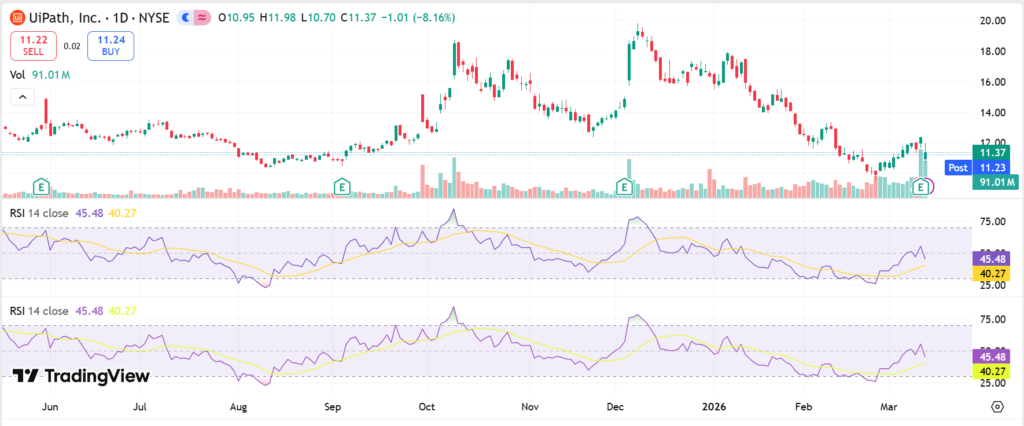
On the upside, resistance comes near $11–$12, a band where selling pressure has emerged in prior rallies. A daily close above that zone would be a positive PATH technical analysis signal and could open a path toward higher levels later in 2026.
RSI and MACD
The Relative Strength Index (RSI) for PATH stock is currently in the neutral zone, not in overbought or oversold territory. This implies momentum is balanced and the stock is not yet overextended. Neutral RSI readings mean investors should watch for a breakout or breakdown rather than expecting a quick reversal.
The MACD (Moving Average Convergence Divergence) trend for PATH is slightly bullish, with the shorter‑term line crossing above the longer‑term line in recent weeks. That suggests short‑term momentum is turning positive, but it is not yet a strong, sustained uptrend.
Moving averages and volume
The 50‑day moving average sits just below the current PATH stock price, acting as immediate support. The 200‑day moving average is slightly higher, creating a classic “golden cross‑like” setup where the 50‑day has moved toward or above the 200‑day in recent months. A confirmed golden cross, where the 50‑day decisively stays above the 200‑day, is generally a bullish long‑term signal.
Trading volume for PATH has been moderate to elevated, especially around earnings and analyst comments. That tells us there is active interest from both institutions and retail traders, which can fuel sharper moves once the stock tips in one direction.
Analyst ratings & price targets for PATH stock
Wall Street’s take on PATH stock is mixed but leans modestly positive. A group of 13–17 research firms currently rate PATH as roughly Hold to Moderate Buy, with no strong consensus on an outright “strong buy.”
The average 12‑month price target for PATH stock hovers around $15.60–$15.80, implying roughly 50–60% upside from the current level near $10.10. The highest target sits near $19, while the lowest target is around $10–$14, depending on the firm.
Recently, RBC Capital trimmed its PATH price target to $14 from $17, keeping a Sector Perform rating on the stock. That downgrade reflects broader concerns about software‑sector sentiment and macroeconomic conditions, not a collapse in the company’s fundamentals.
Overall, analyst sentiment suggests that PATH stock is not in a speculative bubble, but rather viewed as a reasonable risk‑reward setup with upside if growth and AI adoption meet or exceed expectations.
PATH stock insider activity
Insider activity for PATH stock has drawn attention, especially around the CEO’s recent sale. In early December 2025, CEO Daniel Dines sold 45,000 shares of PATH stock, which is a significant transaction. Such sales are common as executives diversify their holdings, but they can also worry short‑term traders who read them as a lack of confidence.
On the other hand, institutional investors have shown continued or increased ownership. For example, Vanguard Group boosted its stake by about 4.9% in Q3 2025, adding more than 2.25 million shares to hold nearly 48 million shares (roughly 9% of the company). That accumulation suggests some large players see PATH as undervalued or at least attractively priced for the long term.
Putting this together, PATH stock insider activity is mixed but not alarmingly negative. The CEO’s sale is a caution flag, while the institutional buildup supports a view that the stock may be oversold relative to its long‑term potential.
Valuation Analysis
Recent data show PATH stock trading at a trailing price‑to‑earnings (P/E) ratio of about 26.3 on a trailing‑12‑month basis. The forward P/E is in a similar range, reflecting moderate expectations for continued earnings growth.

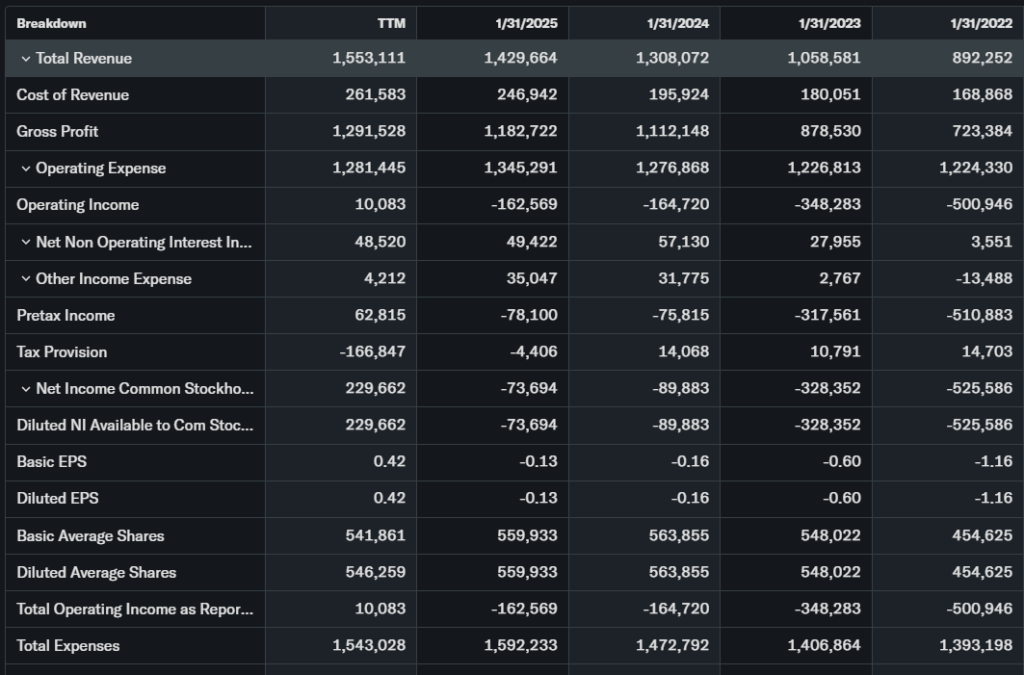

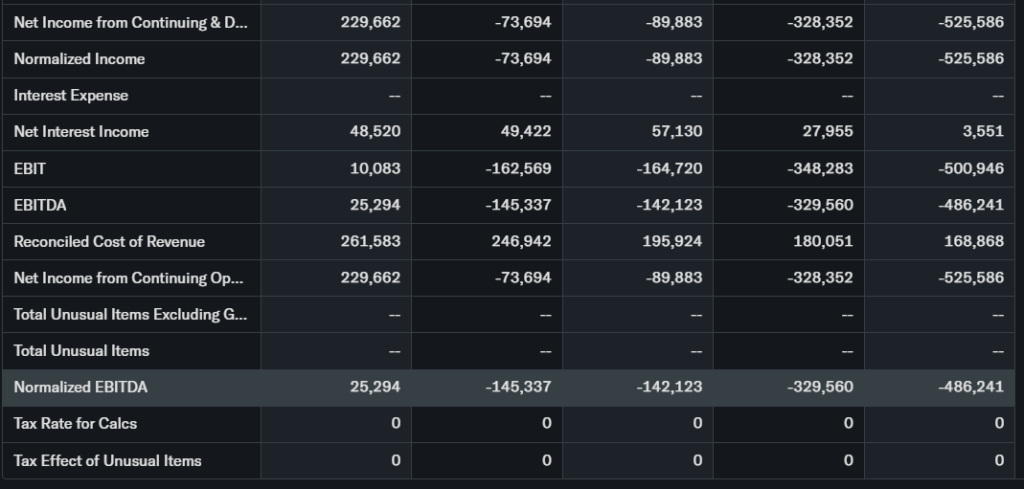
The price‑to‑sales (P/S) ratio for PATH is higher than traditional software peers but in line with many growth‑stage AI and automation companies. That premium reflects investors paying for future revenue growth and the potential of agentic AI and workflow automation.
On growth metrics, PATH delivered revenue of $411.1 million in fiscal Q3 2026, up about 15.9% year‑over‑year. EPS for that quarter was $0.16, beating estimates of $0.15. The company also reported annualized recurring revenue (ARR) of about $1.78 billion, growing 11% with a dollar‑based net retention rate of 107%.
Free cash flow turned positive in recent quarters, with GAAP operating income of $13 million in Q3 2026, marking the first profitable quarter by that measure. The company carries manageable debt and a solid cash position, which supports investments in AI, R&D, and acquisitions like WorkFusion to expand into healthcare‑focused automation.
Compared with peers such as Microsoft and Zoom, PATH is less profitable today but more aggressively priced for growth. Overall, PATH valuation looks fair to slightly undervalued if the company can sustain mid‑teens revenue growth and expand margins over the next few years.
PATH earnings and key catalysts
PATH quarterly results for fiscal Q3 2026 showed revenue of $411.1 million, ahead of estimates and up 15.9% year‑over‑year. The EPS of $0.16 beat Wall Street’s expectation of $0.15, and management highlighted improving profitability and strong customer retention.
The next major catalyst is fiscal Q4 and full‑year 2026 results, scheduled for after the close on Wednesday, March 11, 2026. Analysts expect revenue near $465 million, up about 10% year‑over‑year, and EPS around $0.20–$0.25. Investors will watch ARR growth, margin expansion, and uptake of agentic AI features for clues on whether PATH can maintain its growth trajectory.
Other catalysts include:
- Expanded partnerships with Microsoft, Amazon, and Salesforce to distribute UiPath automation inside major cloud ecosystems.
- Rollouts of agentic AI bots that can make decisions and interact with enterprise systems more autonomously.
- The integration of WorkFusion technology into healthcare and other verticals, which could open new revenue streams.
These factors help explain why PATH stock has held up better than some peers, even though the PATH stock price remains below its 52‑week high.
Bullish case for PATH stock
There are several realistic reasons why PATH stock could move higher over the next 12–24 months. First, enterprise demand for automation and AI workflows remains strong, as companies look to cut costs and improve efficiency. UiPath’s leadership in RPA and its aggressive push into agentic AI position it well in that trend.
Second, PATH revenue growth has been in the mid‑teens range, with solid customer retention and ARR growth above 10%. If management can keep that growth rate while improving margins, PATH stock valuation could rerate higher.
Third, the company is investing in technology advantages, including better integration with Microsoft, Amazon, and Salesforce, which can drive more enterprise contracts and higher lifetime value per customer. The acquisition of WorkFusion also adds specialized AI capabilities in healthcare and other regulated industries.
Finally, recent technical signals—such as the 50‑day moving average approaching the 200‑day and moderate RSI readings—suggest the stock may be building a base for a longer‑term uptrend if fundamentals stay strong.
Bearish case for PATH stock
Despite the positives, there are real risks for PATH stock. Competition in automation and AI is intense, with rivals like Microsoft Power Automate, Automation Anywhere, and others offering overlapping capabilities. If customers choose bundled tools from larger vendors, PATH could face pricing pressure and slower growth.
Growth may also slow as the market matures, especially if large enterprises already automated their low‑hanging‑fruit processes. Analyst checks have noted that software spending sentiment is cautious, which could weigh on PATH revenue growth and make the stock more volatile.
Margin pressure is another risk. While PATH just turned GAAP operating profitable, reinvesting in AI and R&D could keep earnings growth modest in the near term. Customer churn in any quarter would also hit subscription‑based revenue and could trigger a sharp drop in the PATH stock price.
Regulatory and macroeconomic factors—such as tighter IT budgets, recession risks, or geopolitical concerns—could also hurt software spending and make PATH stock more sensitive to sentiment swings.
Market sentiment and investor psychology
Market sentiment around PATH stock is mixed but leaning cautious‑optimistic. Short‑interest data show moderate short exposure, indicating some traders are betting on downside but not a full‑fledged “short squeeze” setup.
Options activity reflects a balance between calls and puts, with traders positioning for both upside and downside around earnings and AI‑related news. Institutional ownership is rising, especially via large asset managers like Vanguard, which views PATH as potentially undervalued.
Retail investors are watching PATH closely, especially after the recent earnings beat and AI‑themed marketing push. Overall, sentiment is neither fearful nor overly euphoric, which tends to support a calmer, more sustainable trading environment.
Short‑term outlook for PATH stock
Over the next days and weeks, PATH stock is likely to remain range‑bound but sensitive to news, especially around the Q4 2026 earnings release and any analyst commentary. Technical levels suggest potential movement between support near the 52‑week low region and resistance around $11–$12, with volume likely to jump around earnings and guidance updates.
If PATH reports in‑line or better revenue and EPS with a positive outlook, the stock could test the upper end of that range and even move toward the $13–$14 zone. On the other hand, any sign of slowing growth, margin pressure, or weak guidance could push PATH back toward or below its recent lows.
Short‑term traders should focus on support and resistance levels, RSI, and MACD, while longer‑term investors may use dips as entry points if the business story remains intact.
Medium to long‑term outlook for PATH stock
Over the next 6–24 months, PATH stock’s long‑term outlook depends on whether the company can maintain mid‑teens revenue growth, keep margins improving, and expand its role in enterprise AI workflows. If UiPath converts its agentic AI and cloud‑partner strategy into sustained ARR growth and higher profitability, the stock could justify its current valuation and move toward the consensus price target of about $15–$16.
However, if growth slows below double digits and competition intensifies, PATH stock may trade sideways or drift lower despite the AI theme. The company’s technology advantages and large customer base are strong assets, but execution risk remains meaningful.
For long‑term investors, PATH stock looks best as a hold or watchlist position for now, with the chance to accumulate on dips if the earnings and guidance trajectory remains healthy. The key question—is PATH stock a buy—depends on risk tolerance and time horizon. On a 3–5‑year view, PATH stock could offer upside if management delivers on its AI and automation roadmap.
Frequently Asked Questions
Is PATH stock a buy right now?
PATH stock is a possible buy for risk‑tolerant, long‑term investors, especially if the stock dips closer to recent support. The valuation is fair, and the growth story is intact, but the stock is not without volatility or competition risk.
What is the price target for PATH stock?
Analysts’ average 12‑month PATH price target is around $15.60–$15.80, with a high near $19 and a low near $10–$14, depending on the firm.
What are major risks for PATH stock?
Major PATH stock risks include increased competition, slowing growth, margin pressure, customer churn, and broader software‑sector weakness.
What does PATH technical analysis suggest?
PATH technical analysis shows neutral‑to‑slightly‑bullish momentum, with support near recent lows, resistance around $11–$12, and the 50‑day moving average approaching the 200‑day, hinting at a possible longer‑term uptrend if the stock holds key levels.
What is PATH long‑term outlook?
PATH long‑term outlook is moderately positive if growth and AI adoption stay strong, but investors should expect volatility and periodic pullbacks as the company proves its ability to scale profitability.
Suggestion
- Compare with Opendoor stock analysis.
- Read our tech sector valuation breakdown to understand how PATH stock valuation compares to broader AI and software names.
Conclusion
PATH stock is best viewed as a hold or watchlist name for most investors, with a buy‑on‑dips opportunity for those comfortable with growth‑tech volatility. The PATH stock price already reflects a reasonable growth story, PATH earnings are improving, and the PATH forecast points to upside if the company can maintain mid‑teens revenue growth and margin expansion. However, competition, macro risks, and sentiment swings mean PATH is not a low‑risk “sure‑win” trade.
Disclaimer: This article is for informational purposes only and not financial advice.