

KORE Group stock analysis covering price trend, earnings, valuation, insider activity, and forecast to help investors decide if KORE stock is a buy, hold, or watch.
Introduction
KORE Group Holdings, Inc. is an Internet of Things (IoT) connectivity and solutions provider that helps enterprises connect and manage devices globally. The company positions itself as an IoT “hyperscaler,” offering connectivity, managed solutions, and analytics for applications like asset tracking, telematics, healthcare, and industrial monitoring.
Investors are focused on KORE Group stock now because the company has agreed to be acquired by private equity firms Searchlight Capital Partners and Abry Partners in an all-cash transaction, which significantly affects upside potential and downside risk. The broader market remains volatile, with tech and small-cap names sensitive to interest rate expectations and risk appetite, so the KORE stock price is being viewed through both a deal-arbitrage lens and a sector risk lens.
KORE Group stock is currently trading well below large-cap tech names but shows deal-driven price behavior rather than typical growth-tech trading. For investors asking whether KORE Group stock is a buy, the takeover agreement and the company’s fundamentals both need to be considered.
Latest Stock Price & Trend
At the latest close, KORE Group stock (NYSE: KORE) was trading around 4.75–4.95 USD per share, with recent delayed quotes showing 4.75 USD at the January 16 close and more recent trading near 4.94–5.21 USD. This reflects modest day-to-day moves of low single-digit percentages, typical of a stock trading under a pending acquisition announcement.
Over the past 5 trading days, KORE stock price has generally traded in a tight band around the mid-4 USD range, with intraday ranges such as 4.83–4.97 USD on February 25 and 4.90–4.99 USD on January 14. The 1‑month and 3‑month trends had previously shown significant volatility and drawdowns in 2025, but the announcement that Searchlight and Abry will acquire all outstanding common shares at 9.25 USD in cash has sharply re-rated expectations, creating a large premium to historical prices.
Over the last year, KORE shares had traded between a 52‑week low near 1.77–1.10 USD and a 52‑week high under 5.00 USD on several platforms, reflecting high volatility and earlier financial stress. Before the deal, KORE stock showed a longer-term downward bias, but the announced acquisition price of 9.25 USD per share represents a very large premium to previous closes and has turned the intermediate trend more constructive from an arbitrage perspective.
Overall, the trend in KORE Group stock has shifted from fundamentally bearish to deal-driven and more sideways around a discount to the 9.25 USD offer price, as the market now prices in probability of closing, timing, and deal risk. For investors, this means near-term returns are more about merger completion than about day-to-day business performance of KORE Group.
Technical Analysis
Support is an area where the KORE stock price tends to find buying interest and stop falling, while resistance is where it tends to face selling and struggle to move higher. For a deal-influenced stock like KORE, effective support often clusters near recent lows in the 4–5 USD range, while resistance appears around prior short‑term highs just under 5.00 USD as traders lock in profits.

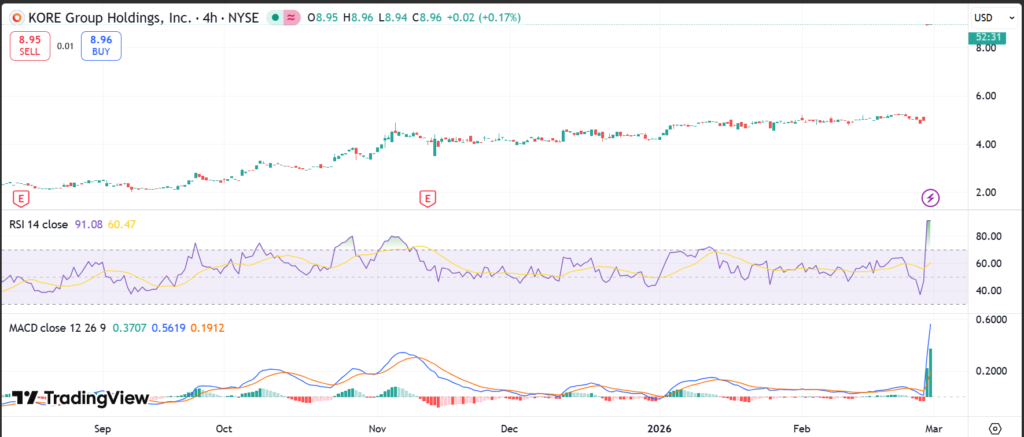
The Relative Strength Index (RSI) measures the speed and magnitude of recent price moves on a 0–100 scale, where readings above 70 suggest an overbought stock and below 30 suggest oversold conditions. While specific current RSI values are not clearly disclosed on the cited pages, KORE’s tight, low‑volatility range around a pending deal price generally aligns with a mid‑range RSI rather than extreme overbought or oversold conditions.
The MACD (Moving Average Convergence Divergence) compares short‑ and long‑term moving averages to indicate bullish or bearish momentum. For KORE Group stock, the recent deal-related jump likely triggered a bullish MACD crossover when the shorter average moved above the longer average, but current trading now appears more range‑bound as the price consolidates.
Moving averages smooth price action over time. The 50‑day and 200‑day moving averages on KORE previously reflected a weak, downtrending profile in 2025, but the acquisition news has pulled the shorter-term average higher toward current prices. There is no clear, lasting “golden cross” (50‑day rising decisively above the 200‑day) yet; instead, the main driver is the takeover premium rather than organic momentum.
Trading volume in KORE surged around key news events such as the NYSE continued listing notice in 2024 and, more importantly, the acquisition agreement in 2026, and has since normalized to tens of thousands of shares per day. Volume matters because spikes often mark institutional moves and changes in conviction; calmer volume now suggests the market is waiting on regulatory and shareholder process rather than aggressively repricing KORE Group stock.
Analyst Ratings & Price Targets
Analyst coverage on KORE is relatively limited compared with larger tech names. According to one aggregate source, KORE stock carries an average rating of “Hold” based on around 2 analysts, with a consensus 12‑month price target of roughly 2.75 USD before the acquisition announcement, implying upside from then-prevailing prices. Some coverage shows maintained “Hold” ratings and modest target revisions, such as TD Cowen keeping a Hold stance while adjusting the price target.
Price targets reported historically include an average target around the mid‑2 USD area, with higher and lower bounds that reflected cautious expectations given leverage and profitability challenges. The newly agreed cash acquisition price of 9.25 USD per share from Searchlight and Abry now effectively supersedes traditional 12‑month fundamental price targets, since it defines a specific takeout value if the deal closes.
Recent analyst actions have focused more on deal commentary and risk rather than standalone operating outlook. Wall Street sentiment, as expressed through ratings and legacy targets, previously suggested that KORE stock was neither a clear “strong buy” nor an obvious sell, but rather a speculative holding with execution and balance sheet risks. For investors, this means that analyst sentiment is best read in context: pre‑deal targets were far below the current 9.25 USD offer, so upside now mainly depends on successful closing rather than incremental upgrades.
Insider Activity
Insider activity refers to buying or selling of shares by company executives, directors, or large shareholders, as reported in SEC filings. While detailed transaction logs are not fully displayed on the quoted pages, ownership data show that Abry Partners already owns about 28 percent of KORE’s outstanding common stock, and Searchlight holds all of KORE’s Series A‑1 preferred stock plus warrants for roughly 14 percent of common shares on a fully diluted basis.
Under the merger agreement, Searchlight and Abry will acquire all KORE common shares not already owned by them at 9.25 USD per share in cash. This effectively converts existing large insider and institutional stakes into cash and takes the company private. Large private equity sponsors increasing their involvement and agreeing to pay a substantial premium is generally interpreted as a sign that sophisticated insiders see long‑term value in the underlying business, even if they prefer to realize that away from public markets.
For minority shareholders, the key implication of this insider and sponsor activity is that the upside is capped at the agreed cash price, while the remaining risk centers on closing conditions, regulatory approvals, financing, and any potential deal break scenarios.
Valuation Analysis
Before the acquisition announcement, KORE Group stock traded at a small‑cap valuation with negative earnings and high leverage. Historical data show a market cap around 39–87 million USD at prices under 5 USD, with trailing twelve‑month revenue of roughly 285–286 million USD. This implies a price‑to‑sales ratio well below 1.0 on prior data, reflecting investor concerns about persistent net losses and debt.

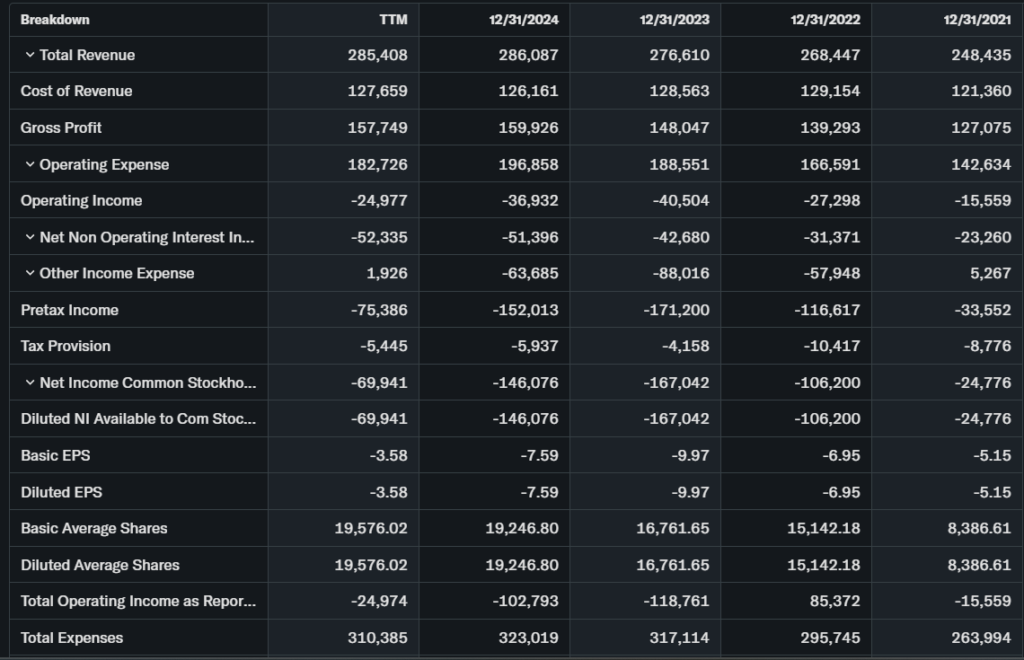

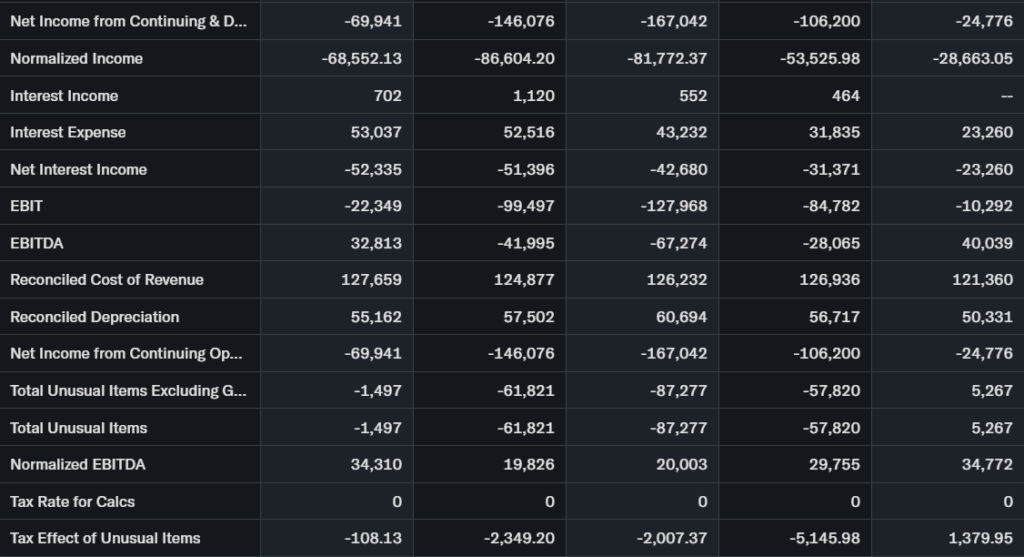
KORE reported trailing twelve‑month net income of about minus 76–146 million USD in recent periods, resulting in negative EPS around minus 3.94 and no meaningful trailing or forward P/E ratio. Operating metrics, such as net profit margin near minus 28 percent and negative returns on assets and invested capital, underscore the lack of profitability. Cash flow has been pressured by interest expense and investment needs, and interest coverage ratios have been negative, highlighting balance sheet risk.
Compared with profitable large-cap software or cloud names like Microsoft or Zoom, which typically trade at higher price‑to‑sales and positive earnings multiples, KORE’s standalone valuation appears distressed rather than growth‑oriented. However, the 9.25 USD per share cash offer from Searchlight and Abry values the equity at roughly 726 million USD, which implies a much higher revenue multiple and signals that buyers see strategic value in the IoT connectivity platform that public markets were not fully recognizing. On pure trading metrics, KORE Group stock looks expensive relative to its recent market cap and fundamentals, but relative to the definitive acquisition price, the current discount largely reflects merger‑closing risk rather than traditional valuation.
Overall, from a public investor’s perspective, KORE stock at prices meaningfully below 9.25 USD could be seen as modestly undervalued if the deal closes as agreed, fairly valued if one discounts for timing and risk, and overvalued if a significant deal break were to occur.
Recent Earnings & Catalysts
In recent quarters, KORE’s revenue has been growing modestly. One snapshot shows quarterly revenue around 68.9–71.3 million USD, up slightly year over year, with net income still negative in the mid‑teens to high‑teens millions. Over the full year 2024, revenue increased about 3–4 percent year over year to roughly 286 million USD, while losses remained substantial though somewhat improved versus 2023.
Quarterly results often showed revenue roughly in line with or slightly above expectations, such as a quarter where reported revenue of 71.3 million USD exceeded an estimate of 70.3 million USD. However, EPS remained negative and below breakeven, and management had to navigate NYSE continued listing standard issues related to market capitalization and shareholder equity in 2024.
The most significant recent catalyst is the February 2026 announcement that KORE has entered into a definitive agreement to be acquired by Searchlight Capital Partners and Abry Partners for 9.25 USD per share in cash, valuing the company at about 726 million USD. This offer represents roughly a 691 percent premium to an earlier closing price around October 2023 referenced in the merger documentation, and a 132 percent premium to a later November 2025 close. The deal announcement sharply boosted KORE Group stock price and shifted investor focus from quarterly earnings to transaction completion.
Bullish Case
A constructive thesis on KORE Group stock centers on its role as a specialized IoT connectivity and solutions provider in a structurally growing market. Global deployment of connected devices across logistics, healthcare, industrial IoT, and smart infrastructure supports ongoing demand for reliable connectivity and device management platforms.
KORE’s scale in IoT connectivity and its positioning as an “IoT hyperscaler” create potential operating leverage as more devices come onto the network, allowing revenue growth to outpace fixed costs over time. Private equity ownership by Searchlight and Abry could help improve capital structure, streamline operations, and focus on higher‑margin solutions, which in turn could unlock value that was hard to realize as a small-cap public company.
For investors considering whether KORE stock is a buy at a discount to 9.25 USD, the bullish view is that deal closure offers a defined upside and that, fundamentally, KORE’s platform has real strategic worth in the IoT ecosystem.
Bearish Case
On the downside, KORE has a track record of persistent net losses, negative profit margins, and pressured interest coverage, which highlight execution and financing risk. If the acquisition were to be delayed or fail, the KORE stock price could re-rate sharply lower toward levels more consistent with distressed small‑cap tech, especially given prior NYSE listing standard notices and volatility.
Competition is intense across IoT connectivity, with carriers, cloud platforms, and other specialists all offering overlapping services. This can pressure pricing and limit margin expansion. In a weaker macroeconomic or higher‑rate environment, customers may delay IoT deployments, and leveraged companies like KORE may face higher refinancing costs or tighter capital access.
For investors, these risks make KORE Group stock more appropriate for those comfortable with event risk and small‑cap volatility rather than conservative income‑focused buyers.
Market Sentiment & Investor Psychology
Sentiment around KORE has historically been cautious, with limited analyst coverage and small-cap volatility. Aggregate metrics classify the stock as a Hold with modest implied upside, consistent with a speculative profile. Short interest data are not clearly shown in the cited pages, but the prior drawdown and listing‑compliance issues suggest that some traders had been betting against the stock before the deal announcement.
Options activity and detailed call‑versus‑put data are not prominently disclosed in the referenced sources, but the presence of a defined takeout price often shifts derivatives markets toward arbitrage strategies rather than pure directional bets. Institutional involvement is significant via Abry and Searchlight, which collectively own preferred and common equity and now aim to acquire the remainder at a premium.
Investor psychology has moved from fear and concern about going‑concern risk to a more neutral‑to‑optimistic stance focused on deal probability. For many participants, KORE Group stock now looks more like a merger‑arbitrage position than a classic growth or value play.
Short-Term Outlook
Over the next several days and weeks, the KORE stock price is likely to trade in a relatively narrow range below the 9.25 USD cash offer, reflecting a standard discount for closing risk and time value. Technical indicators such as support around recent lows, modest volume, and a largely sideways pattern fit this deal‑driven behavior.
Absent new headlines about regulatory approvals, shareholder votes, or revised terms, short‑term moves will likely be modest. Traders focused on whether KORE stock is a buy for quick gains should understand that near‑term performance will be dominated by news flow on the acquisition process rather than incremental IoT business updates.
Medium to Long-Term Outlook
In a standard scenario where the Searchlight and Abry acquisition closes as planned, KORE Group stock will likely be taken private within the next 6–24 months, meaning public shareholders will receive 9.25 USD per share in cash and the stock will cease trading. For long-term investors, this caps potential upside and limits the relevance of traditional multi‑year forecasts.
If, however, the transaction were significantly delayed or terminated, KORE would remain a small-cap public IoT company with a leveraged balance sheet, modest revenue growth, and a path to potential operational improvement but also high execution risk. In that alternative case, the appropriate stance for many long‑term investors might be to watch or hold only small, speculative positions until clearer profitability and balance‑sheet progress emerge. Given the current definitive agreement and sponsor backing, the base case is that event‑driven outcomes will dominate over fundamental re‑rating in the medium term.
FAQ Section
Is KORE Group stock a buy right now?
KORE Group stock can be considered by event‑driven investors comfortable with merger risk who are buying at a discount to the 9.25 USD cash offer, but it may not suit conservative investors seeking long‑term compounding in a standalone public company.
What is the price target for KORE Group stock?
Traditional analyst 12‑month price targets were previously around 2.75 USD with a Hold rating, but the current definitive acquisition agreement sets an effective economic “target” of 9.25 USD per share in cash if the deal closes.
What are the major risks for KORE Group stock?
Key risks include the possibility of deal delays or failure, ongoing operating losses, competitive pressure in IoT connectivity, and prior issues with NYSE listing standards tied to market cap and shareholder equity.
How have KORE Group earnings performed recently?
Recent results show modest revenue growth in the low single digits, with quarterly revenue around 69–71 million USD but continued negative net income and EPS, indicating that profitability remains a work in progress.
What is the long-term outlook for KORE Group stock?
If the acquisition closes, public investors will exit at 9.25 USD per share and there will be no long‑term public stock to hold; if the deal does not close, the long‑term outlook depends on KORE’s ability to improve margins, manage debt, and capitalize on IoT demand, which remains uncertain.
Suggestions
Compare with Opendoor stock — for investors who want to contrast a small-cap IoT connectivity player with a larger communications platform.
See our Microsoft stock forecast — to understand how a mega‑cap tech name with strong cash flow differs from a leveraged IoT specialist.
Read our tech sector valuation breakdown — for context on how small-cap, unprofitable tech valuations compare with large, profitable peers.
Final Balanced Conclusion
KORE Group stock has transitioned from a distressed small-cap IoT name with profitability and listing challenges to a deal‑driven equity with a clear 9.25 USD per share cash offer from Searchlight and Abry. Fundamentals show modest revenue growth and significant net losses, while valuation at the agreed transaction price reflects the strategic value that private equity buyers see in KORE’s IoT platform.
For most investors, the most reasonable stance is to treat KORE Group stock as a watchlist/targeted opportunity rather than a broad long‑term core holding. Event‑driven traders comfortable with merger‑arbitrage dynamics may consider positions at a discount to 9.25 USD, but conservative investors may prefer to observe from the sidelines or focus on larger, more profitable tech names.
Disclaimer: This article is for informational purposes only and not financial advice.