

A clear, investor-focused analysis of HIMS stock, covering price trends, earnings, valuation, and risks to help decide if HIMS stock is a buy, hold, or a watch.
Introduction
Hims & Hers Health (HIMS) operates as a direct-to-consumer telehealth and branded health products company, offering a range of care services and consumer wellness products. Investors are focusing on HIMS stock due to rapid top-line growth, expanding product categories, and its evolving profitability profile after a transformative growth phase. In the broader market, tech and healthcare tech equities have been affected by shifting interest rates, inflation, and regulatory scrutiny around digital health platforms and GLP-1 related strategies.
Latest Stock Price & Trend
HIMS stock is trading around the mid-teens to low-twenties range, with recent price action reflecting volatile sentiment typical for high-growth healthcare tech names. The stock has experienced notable one-day moves and several multi-week trend shifts as investors weigh growth potential against margin normalization and regulatory considerations. Over the past six months, the trend direction has shown swings between bullish rallies and periods of consolidation, while year-to-date performance has been positive yet uneven. The 52-week high and low span a broad band, illustrating persistent volatility common in smaller-cap tech health names. The current trend can be characterized as mixed-to-bullish when the company sustains revenue acceleration and margin improvement, but vulnerable to market shocks or negative earnings surprises.
Technical Analysis
Support levels: These are price floors where the stock might pause falling. A common near-term support region often aligns with recent consolidation lows around the mid-to-high teens, depending on the execution of quarterly guidance.

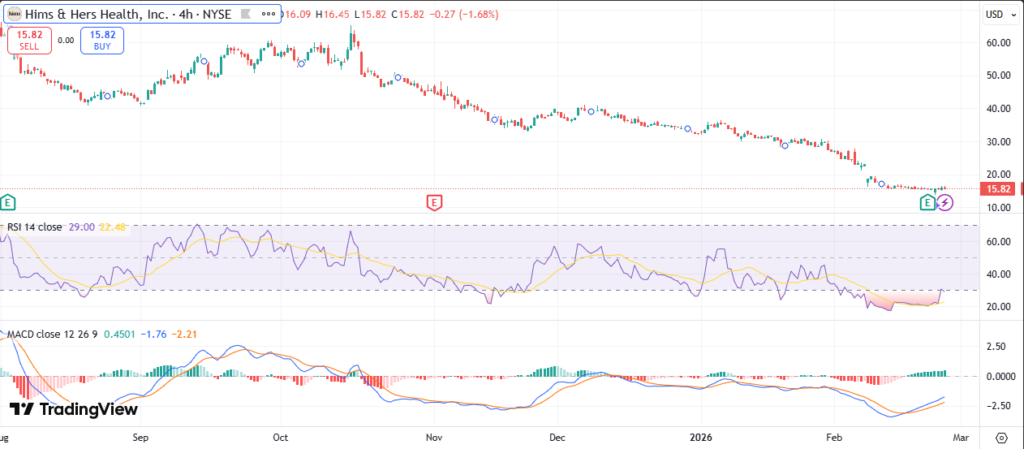
Resistance levels: Price points where rallies face selling pressure, typically near prior highs or round-number levels in the low- to mid-20s, again varying with market conditions.
RSI reading: This momentum gauge helps gauge overbought or oversold conditions. An RSI above 70 suggests overbought risk; below 30 indicates potential oversold conditions.
MACD trend: When the MACD line crosses above the signal line, it suggests potential bullish momentum; a cross below signals possible weakness.
50-day & 200-day moving averages: The 50-day average tracks shorter-term momentum, while the 200-day average captures longer-term trend. A cross of the 50-day above the 200-day (golden cross) is typically bullish; the reverse (death cross) is bearish.
Trading volume: Higher volume on up days supports a constructive move; declining volume on rallies can signal waning momentum.
Analyst Ratings & Price Targets
Buy/Hold/Sell mix: Analysts’ ratings vary, with some firms endorsing modest upside and others signaling caution given growth sensitivity to regulatory and competitive dynamics.
Average/high/low targets: Target prices often reflect a premium to current levels based on growth trajectory and margin expansion; however, ranges can be wide due to earnings volatility and multiple compression concerns.
Upgrades/downgrades: Recent updates often hinge on quarterly performance relative to expectations, guidance for next quarters, and commentary on operating leverage.
Insider Activity
Insider buying: Occasional purchases by executives or directors can signal confidence in the firm’s long-term strategy and potential upside.
Insider selling: Elevated selling can reflect diversification needs or risk reassessment; persistent patterns matter more than single transactions.
Large transactions: Size and timing of mega-trades (if any) may indicate strategic shifts or confidence in growth plans.
Management share activity: Concentration of ownership by insiders can imply alignment with shareholder interests, or concerns that could prompt caution.
Valuation Analysis
Trailing P/E: The price-earnings multiple reflects current profitability, which may be sensitive to quarterly fluctuations given HIMS’ growth phase.

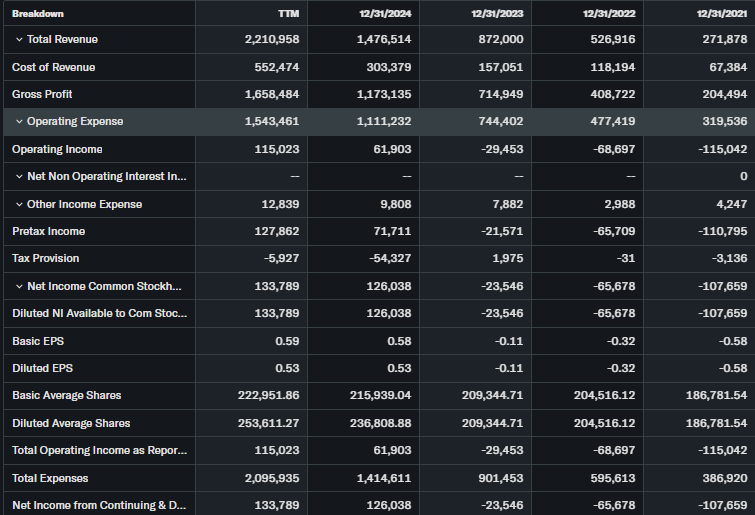

Forward P/E: This multiple depends on the anticipated earnings trajectory and margin normalization as the company scales.
Price-to-Sales (P/S): A high P/S can be typical for growth plays; compare to peers to gauge relative value.
Revenue growth (YoY): HIMS has demonstrated strong top-line expansion, though the pace can vary quarter to quarter.
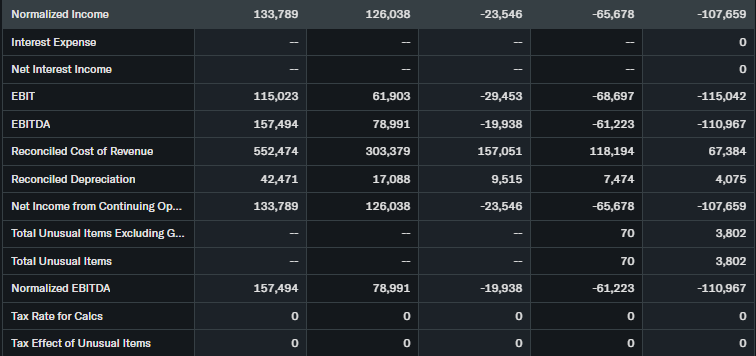
EPS growth: Earnings growth has shown variability, with expectations closely tied to product mix, marketing efficiency, and SG&A leverage.
Free cash flow: Positive FCF and cash generation are important for funding expansion and reducing balance sheet risk.
Debt & cash position: A conservative balance sheet helps resilience during investment cycles.
Peer comparison: Relative valuation to peers like Zoom, Microsoft, or other digital health players provides context for growth and risk trade-offs.
Recent Earnings & Catalysts
Latest quarterly results: Revenue performance versus expectations and EPS results are key drivers of immediate price action.
Guidance: Forward-looking projections for revenue and profitability shape investor sentiment.
Major catalysts: New product launches, partnerships, AI or personalized health initiatives, and strategic moves can shift the growth outlook.
Earnings impact: Beats or misses influence momentum and valuation re-rating.
Bullish Case
Revenue growth catalysts: New product lines, higher conversion rates, international expansion, or expanded service offerings can lift top-line growth.
Market demand: Structural growth in telehealth and digital health products, driven by consumer convenience and core unmet needs, supports scale.
Technology advantages: Platform efficiencies, data-enabled care, and streamlined operations can improve margins over time.
Operational improvements: Cost discipline, marketing efficiency improvements, and scale benefits can boost profitability.
Bearish Case
Competition: Intensified competition in telehealth and consumer health brands can pressure pricing and market share.
Slowing growth: A deceleration in user acquisition or slower adoption of new services may curb revenue expansion.
Margin pressures: SG&A and customer-acquisition costs can compress margins if growth slows.
Regulatory/regulatory risks: Privacy concerns and GLP-1 related strategies could invite scrutiny and penalties.
Market Sentiment & Investor Psychology
Short interest: Elevated or rising short interest can indicate skepticism about near-term upside.
Options activity: A tilt toward calls or puts helps infer momentum expectations.
Institutional ownership: High or growing institutional ownership can imply confidence; shifts may signal positioning changes.
Retail behavior: The mix of retail trading can amplify volatility around earnings or catalysts.
Momentum vs value: The stock often trades with momentum cues rather than traditional value signals in growth-heavy spaces.
Short-Term Outlook
Near-term catalysts: Earnings timing, guidance revisions, or regulatory news can drive volatility.
Technical setup: If price remains above key moving averages with solid volume, upside scenarios retain validity; otherwise, caution warrants reassessment.
Medium to Long-Term Outlook
Business model strength: A scalable model with expanding margins and repeatable revenue streams supports long horizon upside.
Industry growth: Telehealth and consumer health products remain ripe for disruption, but success depends on execution and regulatory clarity.
Competitive position: A differentiated platform offering higher margins or better retention can sustain advantages.
Financial health: A solid balance sheet and positive cash flow enable continued investment in growth initiatives.
Risks: Regulatory changes, slower adoption, or competitive pressure remain meaningful headwinds to monitor.
FAQ Section
Is HIMS stock a buy right now? The answer depends on your risk tolerance and view of growth maturity; current data show strong revenue momentum but mixed profitability signals.
What is the price target for HIMS stock? Targets vary by analyst, reflecting assumptions around revenue growth, margins, and multiple expansion or contraction.
What are major risks for HIMS stock? Regulatory risk, competitive pressure, and potential GLP-1 strategy scrutiny are among the key concerns.
How has HIMS earnings been recently? Earnings have shown variability relative to expectations; recent quarters have highlighted revenue strength with mixed EPS results.
Suggestions
Compare with Opendoor stock
See our Microsoft stock forecast
Read our tech sector valuation breakdown
Final Balanced Conclusion
Hold or Watchlist. HIMS stock shows meaningful revenue growth potential and strategic advantages in digital health, but investors should weigh profitability progression, regulatory risk, and valuation sensitivity. A prudent approach is to monitor quarterly guidance and earnings surprises while considering a staged exposure aligned with risk tolerance.
Disclaimer: This article is for informational purposes only and not financial advice.