
ELF stock analysis with latest price, earnings, valuation, and forecast. Learn if e.l.f. Beauty stock is a buy based on fundamentals and technical trends.
Introduction
e.l.f. Beauty, Inc. is a fast-growing cosmetics company best known for affordable makeup and skincare sold online and through major retailers.
Investors are watching ELF stock closely because the company has delivered strong revenue growth, rising profitability, and repeated guidance hikes in recent years.
The broader market has been volatile as investors weigh interest rate expectations, inflation trends, and shifting consumer demand.
Within this backdrop, consumer and beauty names like e.l.f. Beauty can trade with higher swings as sentiment moves between growth and value.
This makes a clear, balanced look at ELF stock essential for everyday investors.
Latest Stock Price & Trend
At the last market close, ELF stock traded around the mid‑70s per share, following a sharp rally earlier in 2026 after its strong fiscal 2026 guidance increase.
On the most recent trading day, the ELF stock price slipped from an intraday high near 80 to close in the mid‑70s, reflecting profit‑taking after earlier gains.
Over the last 5 days, the stock has moved in a choppy range, with brief spikes higher followed by pullbacks, signaling short‑term indecision.
The 1‑month trend shows ELF rebounding from prior lows, supported by improving sentiment after its latest earnings beat and guidance raise.
Across the past 3 to 6 months, however, investors have seen both strong rallies and sudden drops, especially after times when guidance or forecasts disappointed versus lofty expectations.
On a year‑to‑date basis, ELF stock remains well above its levels from the prior year, even after periods of volatility, thanks to consistent double‑digit sales growth.
The 52‑week range spans from earlier lows near prior consolidation zones to highs above 100 that were reached during peak optimism around its growth story.
Overall, the current pattern looks more sideways‑to‑constructive than clearly bearish, suggesting investors are reassessing valuation rather than abandoning the name.
Technical Analysis
Support levels are price areas where buyers historically step in; for ELF stock, recent support has formed around the low‑70s region where pullbacks have been met with renewed demand.
Resistance levels are zones where sellers often appear; recent resistance sits closer to the high‑80s to 90 area where prior rallies stalled.

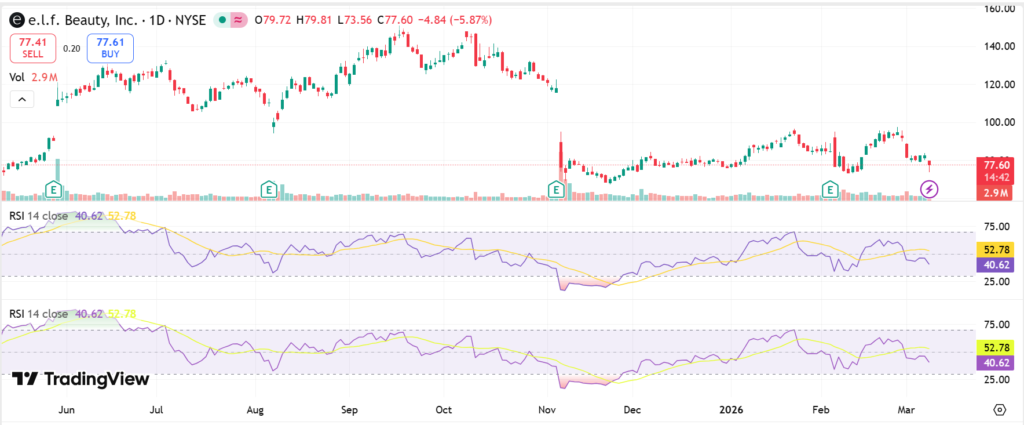
The Relative Strength Index (RSI) measures whether a stock is overbought (typically above 70) or oversold (below 30).
ELF’s RSI has recently cooled from previously elevated levels after its strong run, indicating the stock has moved away from overbought territory and is now in a more neutral zone.
The Moving Average Convergence Divergence (MACD) compares short‑ and long‑term momentum.
After earlier bullish momentum, the MACD on ELF has flattened, signaling a pause where bulls and bears are more evenly matched.
The 50‑day moving average tracks the intermediate trend, while the 200‑day moving average tracks the longer trend.
ELF stock trades above its 200‑day line and has oscillated around the 50‑day average, which typically reflects an uptrend that is consolidating rather than reversing.
A “golden cross” occurs when the 50‑day average moves above the 200‑day average, while a “death cross” is the opposite.
ELF has previously exhibited a golden‑cross configuration, supporting its longer‑term bullish trend, and there is no confirmed death cross at this stage.
Trading volume spiked around earnings and options‑related events, then normalized as the news was digested.
Healthy volume on up days and lighter volume on pullbacks generally supports the view that buyers still control the longer‑term trend.
Analyst Ratings & Price Targets
Wall Street analysts covering ELF stock generally lean positive, with a majority of ratings in the Buy or Outperform category and a smaller number in Hold.
Sell ratings remain limited, though some firms have turned more cautious due to valuation and the stock’s prior rapid appreciation.
The average analyst price target for ELF stock sits below its prior all‑time highs but above recent trading levels, implying moderate upside from current prices.
High‑end targets still assume continued strong execution and market share gains, while the lowest targets reflect concerns about normalization of growth and multiple compression.
In recent months, some brokerages have trimmed price targets after volatility in guidance and tariff‑related headlines, while others have reiterated bullish calls following its latest beat‑and‑raise quarter.
Overall, analyst sentiment suggests that ELF stock remains a favored growth story but not without debate over how much future growth is already priced in.
Insider Activity
Insider activity refers to buying or selling of company shares by executives, directors, or major shareholders, as reported in regulatory filings.
For ELF stock, recent activity has included periodic insider sales, often in the form of planned transactions tied to equity compensation.
These sales do not automatically mean management is bearish; executives often diversify their holdings after strong share‑price performance.
However, large or clustered sales can make some investors cautious, especially when a stock trades at premium valuation levels.
Public filings have not shown a sustained pattern of large insider buying that would indicate management sees the stock as deeply undervalued right now.
Instead, the trend suggests confidence in the business but a pragmatic approach to personal portfolio management by insiders.
Valuation Analysis
ELF stock trades at a high trailing price‑to‑earnings (P/E) ratio compared with the broader market, reflecting investors’ willingness to pay up for its growth.
Its forward P/E, based on management’s fiscal 2026 EPS forecast of roughly 3.05 to 3.10 dollars, is lower than the trailing figure but still above many mature consumer peers.

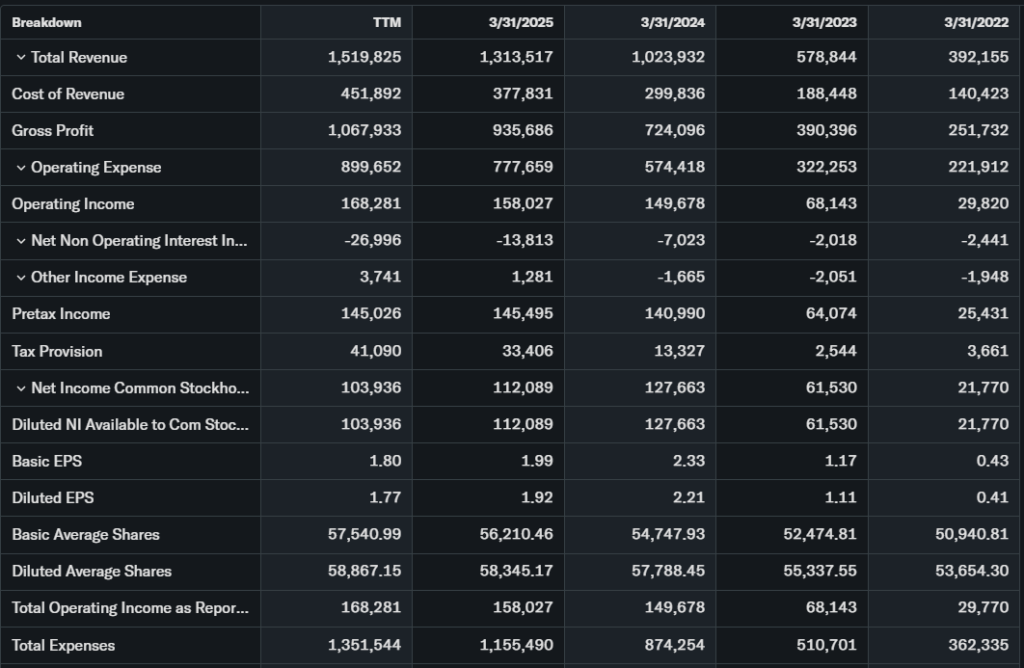

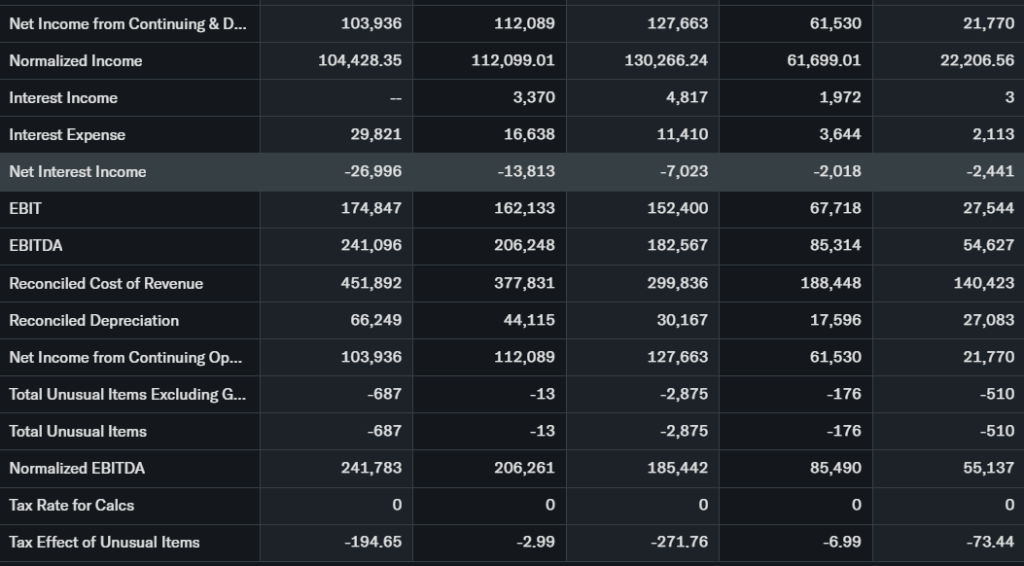
The price‑to‑sales (P/S) ratio remains elevated given the company’s 30%+ net sales growth, which investors view as sustainable over the medium term if execution continues.
Year‑over‑year revenue growth in the latest reported quarter was about 38%, underscoring the strength of its brands and distribution expansion.
Earnings per share (EPS) growth has also been robust, as scale, product mix, and operating leverage drive margin expansion.
The business generates positive free cash flow, which can support marketing investments, innovation, and potential strategic initiatives.
e.l.f. Beauty’s balance sheet carries manageable debt and healthy cash levels, giving it flexibility to invest in growth or withstand macro slowdowns.
Compared with large software names like Microsoft or communication platforms such as Zoom, ELF’s multiples are high on a P/E and P/S basis, but its revenue growth is also significantly faster than many established tech leaders.
Taken together, ELF stock appears closer to fairly valued to slightly overvalued on traditional metrics, with valuation strongly dependent on the company sustaining high growth.
Recent Earnings & Catalysts
In its most recent reported quarter, e.l.f. Beauty delivered net sales growth of about 38%, marking its 28th consecutive quarter of growth.
Revenue exceeded Wall Street expectations, reflecting strong momentum in its core e.l.f. brand and new product launches.
EPS also came in above consensus, helped by scale efficiencies and disciplined cost control.
Management raised its fiscal 2026 outlook, guiding EPS to a range of approximately 3.05 to 3.10 dollars, ahead of prior Street estimates around 2.87 dollars.
Key catalysts include successful international expansion, such as the strong launch of the rhode brand in the U.K., and continued market‑share gains in mass cosmetics.
Earlier, markets reacted negatively when a later‑year annual forecast came in below lofty expectations, underscoring how sensitive the stock is to guidance changes.
Overall, recent earnings reinforced the growth story and helped restore confidence after previous volatility, supporting the current ELF stock forecast of ongoing expansion.
Bullish Case
The bullish case for ELF stock centers on its rapid revenue growth, with management now targeting roughly 22% to 23% growth for the full fiscal year versus earlier guidance of 18% to 20%.
This acceleration is driven partly by stronger‑than‑expected performance from rhode, whose sales contribution has been revised up from 200 million to a range of 260 to 265 million dollars.
e.l.f. Beauty benefits from powerful consumer trends, including demand for affordable yet aspirational beauty products and viral marketing through social media.
Its ability to win share from legacy brands in mass retailers provides a long runway, especially as it deepens relationships with partners and expands internationally.
Operational improvements, such as disciplined inventory management, efficient marketing spend, and scalable digital channels, support sustained margin growth.
For bullish investors, these drivers reinforce the view that high growth can continue long enough to justify a premium valuation.
Bearish Case
On the downside, competition in beauty is intense, with both established giants and new indie brands fighting for shelf space and attention.
If competitors respond aggressively with pricing, promotions, or innovation, e.l.f.’s market‑share gains could slow.
Another risk is growth normalization; after multiple years of 30%+ expansion, any deceleration could trigger sharp multiple compression in ELF stock.
Margin pressures may also emerge from higher tariffs, input‑cost inflation, or increased marketing spend needed to sustain momentum.
Consumer spending can weaken if macro conditions tighten, reducing demand for discretionary beauty products, especially in some international markets.
Regulatory changes around product safety, marketing claims, or data privacy could add compliance costs over time.
These risks highlight why some investors worry that the ELF stock price already reflects a best‑case scenario.
Market Sentiment & Investor Psychology
Short interest, while not extreme, indicates that a subset of investors is betting against the stock, often on valuation or macro concerns.
Elevated short exposure can add volatility, as positive surprises may force short‑covering rallies.
Options data around the March 2026 expiration shows active trading in calls and puts, with some investors using covered‑call strategies to generate income while capping upside.
This suggests a mix of bullish and cautious positioning rather than one‑sided speculation.
Institutional ownership in ELF stock is substantial, reflecting strong interest from mutual funds and other professional investors.
Retail investors are also active, attracted by the company’s brand presence and growth narrative.
Overall market sentiment toward ELF appears cautiously optimistic: investors respect the growth story but remain sensitive to any sign of slowing fundamentals or negative guidance.
Short-Term Outlook
In the near term, ELF stock is likely to trade in a range as investors digest recent earnings, guidance updates, and macro headlines.
Key technical levels around recent support and resistance zones will guide short‑term trading decisions.
If the stock holds above support and the broader market remains stable, a drift higher toward the 50‑day moving average and recent resistance is possible.
Conversely, a break below support on heavy volume could trigger a deeper pullback as momentum traders exit.
Short‑term moves in ELF stock will likely be driven more by sentiment, volume, and technical factors than by new fundamental information until the next major update.
Active traders should monitor RSI, MACD, and volume to gauge whether momentum is building or fading.
Medium to Long-Term Outlook
Over a 6‑ to 24‑month horizon, the outlook for e.l.f. Beauty depends on the durability of its business model and category growth.
The company’s strategy of offering affordable, high‑quality products, amplified by social‑media‑driven marketing, positions it well in a competitive beauty market.
Industry growth in color cosmetics and skincare remains attractive, though the pace can fluctuate with economic cycles and consumer trends.
e.l.f.’s expanding international presence and new brand launches provide multiple avenues for continued revenue growth.
Financially, the company’s strong balance sheet, positive free cash flow, and rising EPS give it flexibility to invest in innovation, distribution, and potential strategic deals.
However, the high valuation means that execution must stay strong; any misstep could lead to volatility even if the long‑term story remains intact.
For long‑term investors, ELF stock currently looks appropriate for a “selective accumulate or hold” stance: attractive for growth‑oriented investors comfortable with volatility, but less compelling for those focused solely on low‑valuation opportunities.
FAQ Section
Is ELF stock a buy right now?
ELF stock may be a buy for growth‑oriented investors who believe the company can sustain strong revenue and EPS growth, but the valuation is elevated and requires continued flawless execution.
What is the price target for ELF stock?
The average analyst price target sits above recent trading levels but below prior highs, implying moderate upside if the company meets current growth expectations.
What are the major risks for ELF stock?
Key risks include intense competition, potential slowing of revenue growth, margin pressures from tariffs and costs, and valuation compression if sentiment shifts.
How strong is ELF stock’s revenue growth?
Recent results showed about 38% net sales growth and raised full‑year guidance to roughly 22% to 23% growth, highlighting continued strong demand.
What is the long‑term outlook for ELF stock?
The long‑term outlook remains positive if e.l.f. Beauty continues gaining market share, expanding globally, and maintaining healthy margins, but investors should expect periods of volatility.
Suggestions
“Compare with Opendoor stock analysis”
“See our Microsoft stock forecast” for readers interested in large‑cap tech stability.
“Read our tech sector valuation breakdown” to give context on how growth valuations compare across the market.
Conclusion
ELF stock offers a compelling combination of rapid revenue growth, rising profitability, and strong brand momentum in the beauty category.
At the same time, its premium valuation and exposure to consumer and competitive risks mean the shares can be volatile and sensitive to any disappointment.
For investors with a long‑term growth focus and a tolerance for swings, ELF stock looks suitable as a Buy‑to‑Accumulate position on pullbacks or a solid Hold if already owned.
More conservative or value‑oriented investors may prefer to keep ELF on a watchlist and wait for more attractive entry points.
Disclaimer: This article is for informational purposes only and not financial advice.