
PayPal stock price and earnings outlook explained for everyday investors, with clear indicators, valuation, and risks.
Introduction
PayPal Holdings, Inc. operates as a digital payments platform that processes online transactions, mobile payments, and related financial services. Investors are tuning in to PYPL as payments ecosystems mature and competition intensifies across fintech. Broad tech and high-growth stock environments in early 2026 also shape how traders view PYPL, including interest rate expectations and consumer spend patterns.
Latest Stock Price & Trend
As of the latest close, PYPL trades around the mid-40s to low-50s range, reflecting a mix of improving scale in online payments and ongoing margin considerations. The 1-day move tends to be modest, with a broader range over the last 5 days showing some volatility tied to macro updates and earnings chatter. Over the past month, the trend has shown pockets of strength interspersed with pullbacks, while the 3-month view highlights a larger swing driven by earnings expectations and guidance. The 6-month trend remains mixed as investors weigh growth opportunities against profitability pressures. Year-to-date movement mirrors similar sentiment, with a year-to-date trend that’s generally range-bound rather than decisively bullish. The 52-week range spans from roughly the high-60s to the high-30s, underscoring substantial volatility. Overall, the trend direction appears sideways to mildly bullish depending on the period used, implying cautious positioning for investors. This trend suggests that buyers need clearer catalysts—such as stronger revenue growth, margin expansion, or favorable regulatory developments—to shift sentiment meaningfully.
Technical Analysis
Support levels: Support is the price zone where buyers have historically stepped in, helping prevent further declines. For PYPL, recent support areas tend to cluster near the mid-40s to low-50s, reflecting prior bounce points.
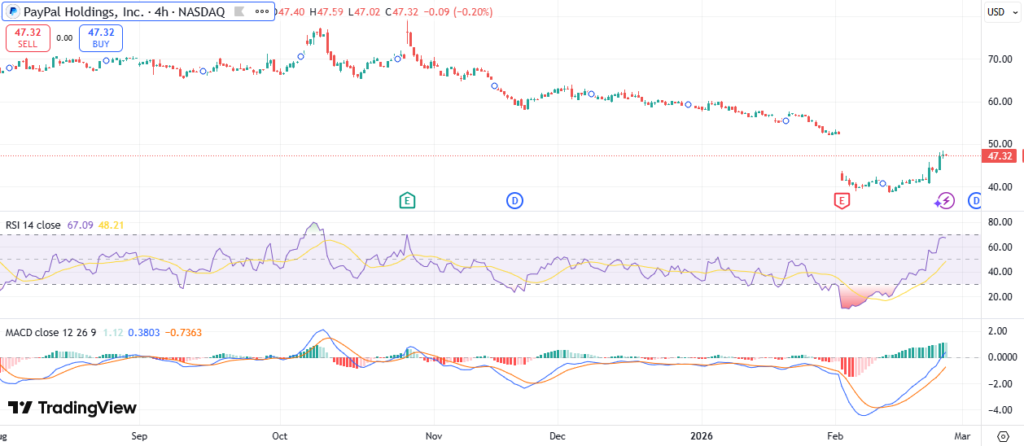
Resistance levels: Resistance marks where selling pressure has previously capped upside, often around the upper-40s into the mid-60s based on recent trading history.
RSI reading: RSI indicates whether a stock is overbought or oversold. A reading around 30 suggests oversold conditions; around 70 suggests overbought. Current readings imply a neutral to mildly bullish stance, depending on the exact date in focus.
MACD trend: The MACD line crossovers help identify momentum shifts. A bullish MACD cross supports upside potential; a bearish cross points to potential pullbacks.
50-day & 200-day moving averages: The 50-day MA tracks near-term momentum, while the 200-day MA shows longer-term trend. A crossing above the 200-day MA (golden cross) would be a bullish signal; a cross below (death cross) would be bearish.
Volume: Higher-than-average volume on up days confirms buying interest; sustained weak volume can signal waning momentum.
Analyst Ratings & Price Targets
Buy/Hold/Sell: The mix of ratings around PYPL often includes a balance of Hold and Buy opinions, reflecting ongoing questions about growth trajectory versus value recovery.
Average/high/low targets: Targets typically reflect optimism about revenue growth and profitability improvements, but ranges can be wide due to model assumptions.
Upgrades/downgrades: Recent changes from major firms tend to be incremental, emphasizing the need for clearer earnings acceleration and margin progress.
What it means for investors: Mixed analyst sentiment suggests near-term uncertainty but potential for upside if execution aligns with expectations and market conditions improve.
Insider Activity
Insider buying and selling: Insiders may show selective buying on dips or selling tied to liquidity needs or diversification. The presence of notable insider purchases can signal confidence, while elevated selling could signal caution.
Management share activity: If executives hold substantial equity, it can indicate alignment with shareholder interests, but the scale matters for interpretive value.
Valuation Analysis
Trailing P/E and Forward P/E: PayPal’s multiple often reflects a balance between growth expectations and profitability headwinds, varying with macro factors and execution.
Price-to-Sales and Revenue growth (YoY): P/S multiples should be considered alongside revenue growth rates; sustainable growth supports higher multiples.
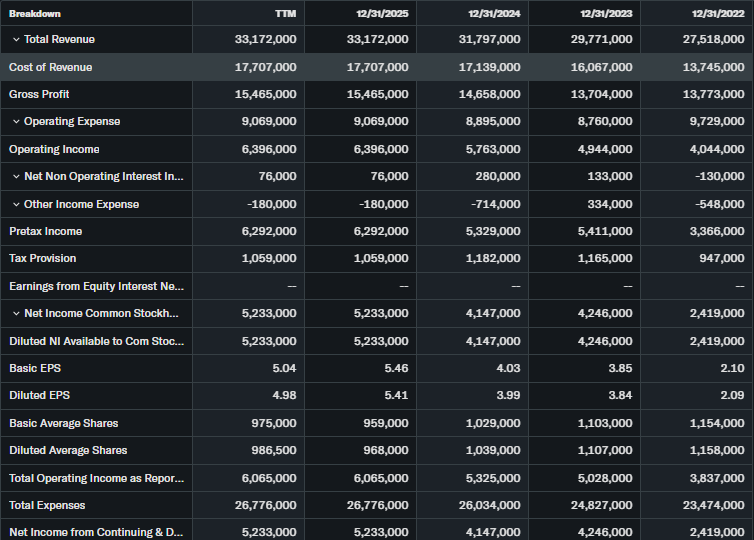
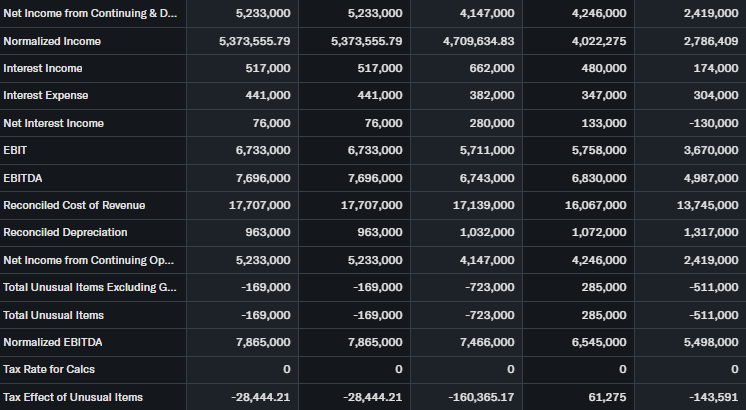
EPS growth and Free cash flow: Positive free cash flow and consistent EPS growth support valuation upside, though margin pressures may temper expectations.
Debt & cash position: A manageable balance sheet with cash generation is favorable; high leverage or weak cash flow could constrain upside.
Peer comparison: In context with peers like Zoom or larger tech-finance players, PYPL’s valuation should reflect its unique scale, competition, and fintech cycle exposure.
Valuation verdict: Based on these metrics, the stock could appear fairly valued or modestly undervalued/overvalued depending on the chosen peer group and macro assumptions. A precise judgment requires current numbers, which must be pulled from up-to-date sources.
Recent Earnings & Catalysts
Latest quarterly results: Revenue, earnings, and margins are reported with year-over-year and quarter-over-quarter changes. Market reaction often hinges on guidance and user growth alongside monetization progress.
Revenue vs expectations: Surprises can drive volatility; in-line results typically lead to muted moves unless guidance improves.
EPS vs expectations: EPS beats or misses affect short-term momentum; guidance shapes medium-term sentiment.
Forward guidance: The company’s outlook on user base expansion, fintech product adoption, and operating efficiency is crucial.
Major catalysts: Partnerships, product expansions, AI-enabled features, and strategic moves (e.g., user growth programs, cross-border expansion) serve as potential upside triggers.
Impact on stock: Earnings and catalysts influence short- to medium-term performance, especially if they alter the growth and profitability trajectory.
Bullish Case
Revenue growth catalysts: Increased cross-sell, expansion of merchant solutions, and international user growth can lift top-line.
Technology advantages: Scalable payments infrastructure and AI-driven capabilities may boost efficiency and customer experience.
Operational improvements: Margin expansion through cost discipline and platform monetization can improve profitability.
Bearish Case
Competition: Intensified competitive pressure from other fintechs and card networks can erode share and pricing power.
Slowing growth: Slower adoption in key markets or customer churn can depress revenue growth.
Margin pressures: Higher operating costs or investment in growth initiatives can compress margins.
Economic/regulatory concerns: Interest rate volatility, data privacy requirements, and regulatory scrutiny could affect performance.
Market Sentiment & Investor Psychology
Short interest: A higher short-interest level can indicate caution or a potential squeeze scenario, depending on flow and catalysts.
Options activity: Call-heavy activity may signal bullish positioning; put-heavy activity can indicate hedging or bearish sentiment.
Institutional ownership: Steady or growing institutional stake suggests confidence, while declining ownership can be a caution sign.
Retail behavior & momentum: Mixed retail activity often mirrors macro sentiment; momentum can swing with headline news and earnings.
Short-Term Outlook
Near-term focus will be on price action around key support/resistance, macro data, and earnings guidance. If volume confirms, a break above resistance could imply short-term upside; a failure might prompt further consolidation.
Medium to Long-Term Outlook
Business model strength: A durable payments platform with cross-border capabilities supports long-term value if monetization and user growth progress.
Industry growth: Global digital payments growth remains a tailwind, though growth may moderate vs. high-growth periods.
Financial health: Healthy cash flow and prudent cost control help weather cycles; leverage and capital allocation decisions matter for long-term returns.
Strategic risks: Competition, regulatory shifts, and macro pressure are key considerations for multi-year planning.
Investor stance: Long-term holders may consider holding or accumulating if the path to sustainable profitability strengthens, while new buyers might await clearer earnings momentum.
FAQ Section
Is PayPal stock a buy right now? The answer depends on your risk tolerance and horizon; consider earnings trajectory, guidance, and valuation relative to peers.
What is the price target for PYPL stock? Targets vary by analyst; review the latest consensus and range to gauge potential upside.
What are major risks for PayPal stock? Competition, regulatory changes, and monetization challenges are common concerns.
How did earnings affect the stock? Earnings outcomes shape near-term moves; guidance often drives the longer-term reaction.
Suggestions
Compare with Opendoor stock
See our Microsoft stock forecast
Read our tech sector valuation breakdown
Final Balanced Conclusion
Hold or watch with a focus on earnings visibility and margin recovery. The stock’s direction hinges on monetization progress, competitive dynamics, and macro factors; avoid overpaying for growth without clear profitability gains. Buy or sell decisions should align with your time horizon and risk tolerance.
Disclaimer: This article is for informational purposes only and not financial advice.